


Bloating from ovulation is a common experience for many women, yet it’s often overlooked or misunderstood. This uncomfortable sensation of fullness or swelling around the middle of the menstrual cycle is influenced by natural hormonal changes.
In this blog, we’ll explore why bloating during ovulation occurs, how lifestyle factors such as alcohol and coffee consumption can contribute, and how incorporating probiotics for bloating may offer gentle relief. Understanding these factors can empower you to better manage symptoms and maintain comfort throughout your cycle.
When does bloating from ovulation start?
Research shows that bloating from ovulation may start about five days before ovulation itself and can continue afterward, sometimes extending into the premenstrual phase as estrogen and progesterone levels drop leading up to the period (Cooper, 2023).
The exact timing and duration vary for each person but generally last anywhere from one to five days. Knowing when bloating from ovulation typically begins and how long it may last can help you better understand and manage these common symptoms.
Potential causes of Bloating
Bloating from ovulation can arise from several factors, including fluid retention, gas buildup, and digestive imbalances. Understanding these causes from both a Western and Traditional Chinese Medicine (TCM) perspective offers a holistic view of this common symptom.
Fluid Retention and Gas Build-Up
From a Western viewpoint, bloating from ovulation is often linked to fluid retention due to fluctuating hormone levels, especially estrogen, which promotes water retention. Additionally, gas buildup in the digestive tract can contribute to feelings of fullness and discomfort.
In TCM, bloating related to ovulation is frequently attributed to imbalances such as:
- Liver Qi Stagnation: The Liver is responsible for the smooth flow of Qi (energy) throughout the body. When Liver Qi stagnates, it disrupts digestion and fluid movement, leading to abdominal distension and bloating. Emotional stress or lack of physical movement can worsen this stagnation.
- Spleen Qi Deficiency: The Spleen governs digestion and the transformation of food and fluids. Weak Spleen Qi impairs fluid metabolism, resulting in accumulation of Dampness—excess fluids that cause swelling and bloating, often accompanied by fatigue and loose stools.
- Dampness and Heat: When Dampness combines with Heat (often due to poor diet, stress, or inflammation), it creates a sticky, heavy feeling in the abdomen, sometimes with additional symptoms such as irritability or digestive discomfort.
- Kidney Deficiency: The Kidneys in TCM are central to reproductive health and hormonal balance. Deficiency of Kidney Yin or Yang can impair the regulation of bodily fluids and hormonal shifts during the cycle, contributing to prolonged or more severe bloating. Kidney Yin deficiency may present with dryness and heat signs, while Kidney Yang deficiency often involves coldness and fluid retention
Constipation
Constipation is another common contributor to bloating during ovulation. Hormonal fluctuations can slow digestive motility, leading to delayed bowel movements and gas accumulation, intensifying the sensation of bloating.
Lifestyle Factors: Alcohol and Coffee
Certain lifestyle choices can also exacerbate bloating symptoms:
- Bloating from Alcohol: Alcohol acts as an irritant to the gastrointestinal tract and is inflammatory, which can cause swelling and water retention in the body (Cirino, 2023).
- Bloating from Coffee: Coffee’s acidic nature stimulates increased stomach acid production, which in some individuals can irritate the digestive lining and lead to bloating (Cohen, 2024).
Relieving stomach pain and bloating
- Incorporate probiotics or fermented foods: Natural probiotics found in yogurt, kefir, kimchi, and sauerkraut help support gut health and reduce bloating.
- Stay well-hydrated: Drinking plenty of water aids digestion and helps minimize fluid retention.
- Engage in regular exercise: Physical activity promotes healthy digestion, improves circulation, and supports hormonal balance.
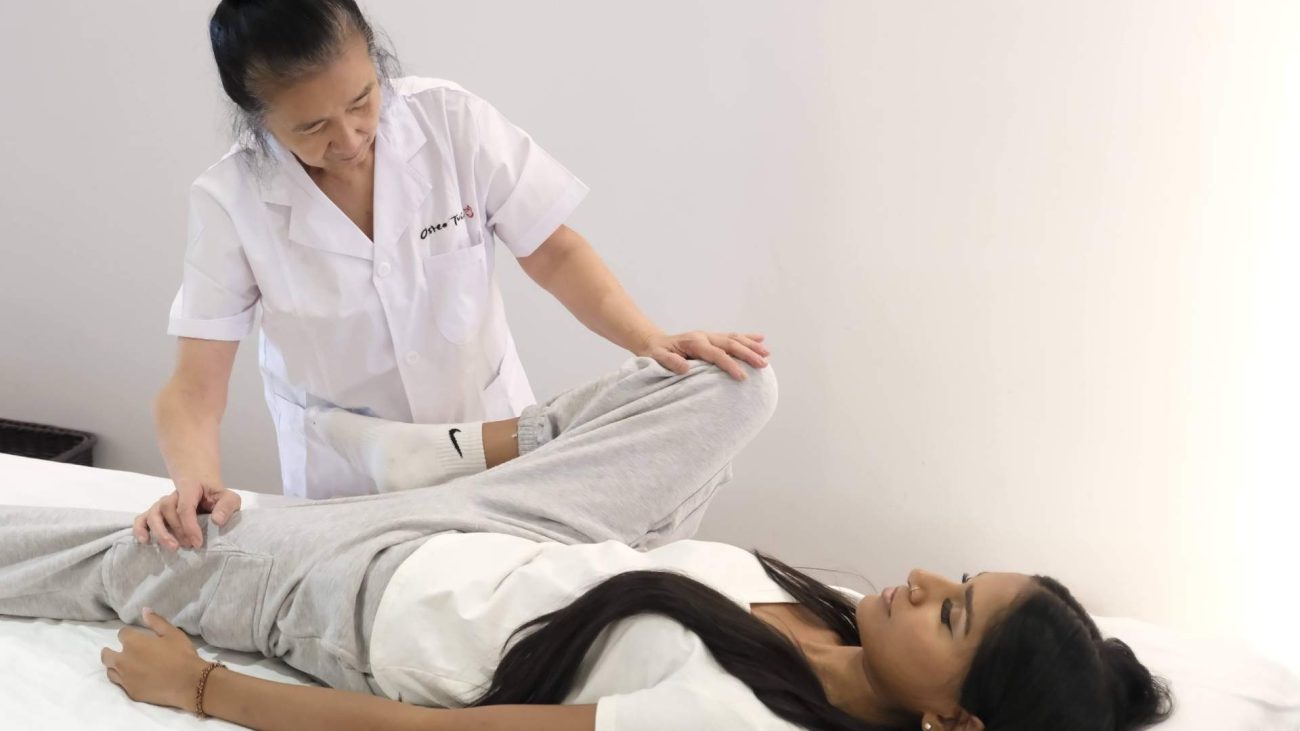
- Consider Osteopathic treatment: Osteopathy can address structural imbalances, enhance lymphatic drainage, and improve circulation, offering holistic relief from bloating and pelvic discomfort.
Osteopath Treatment as a solution
Osteopaths don’t just look at symptoms in isolation—they assess mobility, circulation, lymphatic drainage, and structural balance. Bloating may stem not only from hormonal shifts, but also from tension or restrictions in the fascia, pelvis, or diaphragm.
Osteopath can help:
- Improve Diaphragm & Abdominal Mobility
- Gentle techniques can help release tension in the diaphragm and abdominal wall, supporting better digestion and lymphatic drainage.
- Restore Pelvic Alignment
- The uterus and ovaries are influenced by surrounding structures (sacrum, lumbar spine, psoas). Osteopathic techniques can improve pelvic circulation and ease pelvic congestion.
- Stimulate the Parasympathetic Nervous System
- Hands-on treatment can activate the body’s “rest-and-digest” mode, calming the nervous system and promoting better gut motility.
- Support Lymphatic Flow
- Osteopathic lymphatic drainage techniques help reduce fluid retention and bloating, especially when it’s tied to hormonal shifts.
FAQ
Q1: Is bloating during ovulation related to gas or digestion issues?
Yes, hormonal changes during ovulation can affect digestion and cause gas buildup, leading to bloating.
Q2: Can I take supplements or probiotics for bloating?
Supplements and probiotics may help improve gut health and reduce bloating, but it’s best to consult a healthcare provider before starting any new regimen.
Q3: Is it normal to feel bloated during ovulation?
Yes, bloating during ovulation is a common symptom caused by natural hormonal fluctuations.
Q4: How do I know how much bloating and pain is normal?
Mild to moderate bloating and discomfort are typical, but severe or persistent symptoms should be evaluated by a healthcare professional.
Q5: Does coffee cause bloating?
Coffee can cause bloating in some individuals due to its acidity and effect on stomach acid production.
Q6: Do all women experience bloating during ovulation?
No, the experience of bloating during ovulation varies among individuals depending on individual hormonal and digestive factors.
Q7:Can drinking herbal teas reduce ovulation bloating?
Certain herbal teas, like peppermint or Chen Pi (Aged Tangerine Peel) tea, may help soothe digestion and reduce bloating.
Q8: Can stress or anxiety make ovulation bloating worse?
Yes, stress and anxiety can disrupt digestion and exacerbate bloating symptoms during ovulation.
Concluding Notes
At Osteo Tuina, we offer complete Osteopath and Traditional Chinese Medicine services. Our goal is to help you find relief. To learn more about our services or to schedule an appointment, please visit our website or give us a call directly.
Disclaimer: This blog presents information based on our research and views. If you have questions or specific health concerns, please reach out to us or consult your healthcare provider for more help.This blog uses terms “women” to refer to sex assigned at birth.
Citations
Cirino, E. (2023, March 14). Why does alcohol make me bloated? Healthline. https://www.healthline.com/health/alcohol-bloating#causes
Cohen, M. (2024, July 14). Can coffee cause bloating? The IBS & Gut Health Clinic. https://ibsguthealthclinic.co.uk/can-coffee-cause-bloating/
Cooper, T. (2023, October 20). What to know about bloating during ovulation. https://www.medicalnewstoday.com/articles/bloating-during-ovulation#bloating-and-ovulation


